
If you’ve ever heard a nurse, doctor, or lab technician mention a “blood sugar test” and wondered whether that was the official name, the short answer is: there are several common terms, and they are not always used interchangeably. That can be confusing, especially when you’re trying to understand what a prescription, lab report, or workplace health screening actually means.
Blood sugar testing is one of the most routine checks in modern healthcare, yet the language around it can feel oddly technical. Is it a glucose test? A fasting blood sugar test? HbA1c? Finger-prick monitoring? And why do some people talk about diabetes testing when others mention blood glucose monitoring? Let’s clear the fog in plain English.
What is the medical name for a blood sugar test?
The most common medical term for a blood sugar test is blood glucose test. In everyday language, people often say “blood sugar test,” but healthcare professionals usually prefer “glucose,” because glucose is the specific sugar measured in the blood.
So if you hear any of these terms, they are often related:
A small but useful distinction: “blood sugar” is a broad, easy-to-understand phrase, while “glucose” is more precise. In healthcare, precision matters, because a tiny wording difference can hint at a different type of test, a different method, or a different reason for testing.
The most common blood glucose testing options
Not all blood sugar tests are the same. Some give a snapshot of your glucose level right now. Others show trends over weeks or months. That difference matters, especially if you’re being screened for diabetes, monitoring treatment, or checking whether symptoms like fatigue or frequent thirst may be linked to blood sugar changes.
Fasting blood glucose test
This is one of the most widely used tests. A fasting blood glucose test measures your blood sugar after you have not eaten for several hours, usually overnight. Because food can raise glucose levels, fasting gives a clearer baseline.
Typical uses include:
It’s usually performed in a laboratory, though some settings use point-of-care devices. If you’ve ever grumbled about missing breakfast for the sake of “just a blood test,” you’re not alone. The good news is that fasting tests are usually quick, and the answer can be very informative.
Random blood glucose test
A random blood glucose test can be taken at any time of day, regardless of when you last ate. That makes it useful when someone has symptoms that need immediate attention, such as excessive thirst, frequent urination, blurred vision, or unexplained fatigue.
This test is often used when healthcare professionals want a rapid answer rather than a perfectly controlled measurement. It’s not always enough on its own for diagnosis, but it can be a helpful first step.
Oral glucose tolerance test
The oral glucose tolerance test, often shortened to OGTT, is a bit more elaborate. After fasting, you drink a sugary solution, and your blood glucose is measured at specific intervals afterward. It sounds a bit like a science experiment, and in fairness, that is exactly what it is.
This test is commonly used for:
The OGTT can reveal problems that a fasting test might miss. Some people manage to keep their fasting glucose in a reasonable range, yet their blood sugar spikes sharply after meals. The OGTT is designed to catch that.
HbA1c test
The HbA1c test, also called hemoglobin A1c or simply A1c, is one of the most important blood sugar tests in diabetes care. Unlike a single glucose reading, it reflects your average blood sugar over the past two to three months.
How does that work? Glucose attaches to hemoglobin, the protein in red blood cells. The more glucose in your blood over time, the more glycated hemoglobin you have. The HbA1c result gives a long-term picture rather than a one-day snapshot.
Why it matters:
If fasting glucose is the “today” test, HbA1c is the “recent history” test. That makes it particularly useful in chronic disease management and preventive care.
Finger-prick blood glucose monitoring
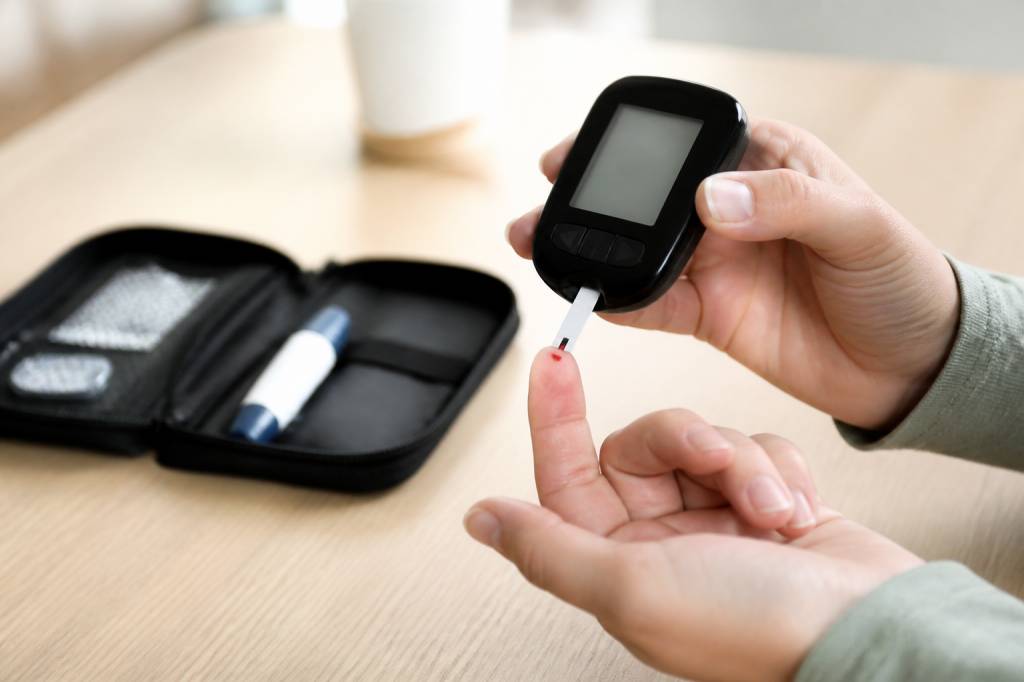
For people living with diabetes, monitoring often happens at home with a small meter and test strips. This is usually called self-monitoring of blood glucose or SMBG. The sample is typically taken from the fingertip, which is why people simply say “finger-prick test.”
These readings help people understand how food, exercise, stress, medication, and illness affect blood sugar. They can be especially useful for:
Home monitoring is not just for people with established diabetes. In some cases, it’s used in corporate health programs or workplace wellness initiatives to support early risk detection and encourage healthier habits. When done thoughtfully, it becomes a practical tool rather than a source of anxiety.
Continuous glucose monitoring
Continuous glucose monitoring, or CGM, is one of the most significant innovations in healthcare technology related to blood sugar testing. Instead of isolated readings, a small sensor worn on the body measures glucose levels continuously, day and night.
CGM systems are especially helpful for people who need detailed information about glucose trends. They can show:
This kind of data can be a game-changer. If you’ve ever thought, “My numbers look fine on paper, but something still feels off,” CGM may reveal the missing pattern. It’s one of those technologies that makes the invisible visible.
Common terms you may see on lab reports
Lab reports can look intimidating, but many of the terms are straightforward once you know what they mean. Here are some of the most common labels you might encounter:
“Postprandial,” by the way, is just a polished way of saying “after eating.” Medicine does love a fancy word when a simple one would do.
Which blood sugar test should you expect?
The right test depends on the question your healthcare provider is trying to answer. Are they checking for diabetes? Monitoring a known condition? Looking for hidden glucose spikes? Evaluating pregnancy-related risk? The context determines the test.
Here’s a practical guide:
This is why asking “What is the name of the blood sugar test?” is a very good question. The name often hints at the purpose, and the purpose tells you what the result means.
Why blood sugar testing matters beyond diabetes
Blood glucose testing is strongly associated with diabetes, but its value goes beyond that one condition. Abnormal glucose levels can appear in connection with stress, illness, endocrine disorders, medication side effects, or metabolic risk factors. In workplace health and public health settings, screening can also help identify people who may benefit from earlier intervention.
Testing can be useful when there are signs such as:
These symptoms do not automatically mean there is a blood sugar problem, of course. But they are common enough that glucose testing often becomes part of the evaluation. Sometimes the body gives clues quietly before it shouts.
How to prepare for a blood glucose test
Preparation depends on the test. Some require fasting, some don’t, and some need special instructions. Always follow the guidance given by your clinician or lab.
General tips include:
If you’re having a CGM placed or using home monitoring, it can help to keep a simple log of meals, exercise, stress, and symptoms. Patterns often become clear faster than you’d expect.
When to ask for clarification
If someone says “we’ll do a blood sugar test,” that may be perfectly normal shorthand. But if you want to understand exactly what’s being measured, don’t hesitate to ask for the specific name of the test.
Good questions include:
Clear communication matters. Medical tests are much less mysterious when you know what they’re designed to show.
A simple way to remember the names
If all the terminology still feels a little tangled, here’s a quick memory aid:
That’s really the heart of it. The name of the test usually tells you whether it is measuring a moment, a pattern, or a longer-term trend. And once you understand that, blood sugar testing becomes much less intimidating.
Whether you are reading a lab report, following up on a routine screening, or managing diabetes day to day, knowing these terms can help you ask better questions and make more informed choices. In healthcare, language is more than vocabulary; it’s a tool for understanding what your body is trying to say.



More Stories
Lab test online: how to choose reliable testing services
Online lab testing for accurate health insights at home
Laboratory test online: how to choose a reliable and secure service