

Ordering a lab test online can feel wonderfully convenient. No waiting room magazines, no awkward phone calls, no half-day lost to traffic and parking. In a few clicks, you can book a blood panel, hormone check, cholesterol test, or a full health screen from home. For busy professionals, remote workers, and anyone trying to take a more proactive approach to health, that convenience is hard to beat.
But convenience should never come at the cost of safety. When you hand over your health data and, sometimes, your blood sample, you need more than a slick website and a promise of “fast results.” You need a service that is medically credible, technically secure, and transparent about how it works. Otherwise, the digital health revolution starts looking less like progress and more like a very expensive guessing game.
So how do you choose a reliable and secure laboratory test online service? Let’s break it down in a practical way.
Start with the basics: who is actually behind the service?
A trustworthy online lab test service should be clear about the medical partners it works with. Look for the name of the laboratory, the healthcare professionals involved, and where the sample analysis is performed. If a company is vague about its clinical setup, that is usually a sign to slow down.
Reliable providers are typically transparent about:
This matters because laboratory testing is not just a retail product. Behind every result is a chain of responsibility: sample collection, transport, processing, interpretation, and sometimes follow-up care. The more visible that chain is, the more confidence you can have in the service.
Check accreditation and quality standards
If you only remember one thing, let it be this: accreditation matters. A reputable laboratory should comply with recognized quality standards. In the UK and across many other healthcare systems, laboratories often operate under frameworks that verify technical competence, quality control, and patient safety.
Do not worry if the site uses technical terms; what matters is whether those standards are explained in plain language. A trustworthy provider will happily tell you how it maintains quality, how often equipment is calibrated, and what controls are used to reduce errors.
Ask yourself a simple question: would I feel comfortable with this service if the result influenced a treatment decision? If the answer is “not really,” trust that instinct.
A good service should also explain what happens when a test result falls outside the normal range. Do they offer clinical guidance? Is there a nurse, doctor, or qualified healthcare professional available to interpret results? A lab result without context can be misleading, especially when it lands in your inbox at 11 p.m. and suddenly convinces you that you have every condition on the internet.
Look for strong data protection and digital security
Health data is among the most sensitive information you can share online. That means security is not a “nice to have.” It is central to the service.
Before you order a test, review the provider’s privacy policy and security information. A reliable online lab service should clearly explain how it stores, processes, and shares your data. It should also describe how your identity is verified and how test results are delivered.
Key signs of a secure service include:
If a provider is casual about privacy, that is a red flag. A blood test might be about your liver enzymes today, but the data trail can reveal far more than that over time. Good digital hygiene protects more than just passwords; it protects dignity, trust, and peace of mind.
One practical tip: use a unique password for your medical account and avoid shared email addresses if possible. It sounds basic, but healthcare and convenience do not always mix well with a family inbox full of school newsletters and supermarket receipts.
Understand the test itself before you buy
Not every lab test online is equally useful, and not every result is equally straightforward. The best providers help you understand exactly what the test measures, who it is for, and what it cannot tell you.
For example, a cholesterol test can help assess cardiovascular risk, but it does not diagnose heart disease on its own. A vitamin D test may highlight deficiency, but the right response depends on your age, symptoms, diet, and medical history. A good service will avoid overselling. Instead, it will explain the medical purpose of the test in a balanced way.
Before ordering, check whether the service answers these questions:
If the description feels vague, be cautious. “Full body health scan” sounds impressive, but what does it actually include? A reliable provider should be specific enough that you know what you are paying for.
Pay attention to sample collection options
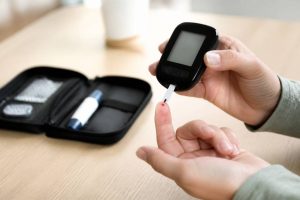
The convenience of online testing often comes from flexible sample collection. Some tests can be done at home with a finger-prick kit, saliva swab, or urine sample. Others require a venous blood draw in a clinic or partner collection center.
Both models can be reliable, but only if the instructions are clear and the process is well supported. Home collection is particularly useful for routine screening, yet it depends on proper technique. A badly collected sample can produce an unhelpful result, which is frustrating for everyone involved.
Look for services that provide:
It is also worth checking what happens if a sample is unusable. A reliable service should explain whether you can request a replacement kit or whether you will need to book another collection. The best providers do not hide this behind tiny-font terms and conditions.
Review the turnaround time, but do not let speed seduce you
Fast results are appealing, especially if you are anxious about a symptom or trying to monitor an ongoing condition. Still, speed alone is not a marker of quality.
Some tests naturally require more time than others. A service promising unusually rapid results for complex analyses should be taken with a grain of salt. The more important question is whether the turnaround time is realistic and consistently delivered.
Reliable services usually state:
If the service offers same-day results for a test that normally requires careful lab processing, pause and ask how that is possible. In healthcare, “too good to be true” is often exactly that.
Check how results are explained
A lab result is only useful if you can understand it. This is one of the most overlooked parts of online testing. The best services do more than send a PDF filled with reference ranges and biochemical mystery. They explain what the numbers mean, what a normal result looks like, and when to seek medical advice.
Look for reports that include:
Some platforms even offer clinician review or telehealth follow-up. That can be especially valuable if the result is unexpected. After all, a slightly abnormal result can reflect many things: recent illness, hydration status, medication, timing, stress, or simply biological variation. Interpretation matters.
If the service provides only raw numbers and no guidance, you may end up searching the web for answers and accidentally diagnosing yourself with three rare diseases before breakfast. Not ideal.
Read the small print on pricing and subscriptions
Transparent pricing is a strong sign of reliability. You should know the total cost before ordering, including the kit, lab analysis, shipping, clinician review, and any follow-up consultation.
Be cautious if the service relies on unclear add-ons or auto-renewing memberships that are hard to cancel. A trustworthy provider will make the buying process simple and will clearly separate one-off tests from subscription plans.
Useful questions to ask include:
A fair pricing structure is not just about saving money. It also signals that the provider respects informed consent. You should never feel as though you need a decoder ring to understand the checkout page.
Look for customer support that sounds human
Healthcare can be stressful, and a good service knows that. If you have a question about fasting, sample collection, or a confusing result, you should be able to reach someone competent and calm.
Strong customer support usually includes multiple contact channels, clear opening hours, and response times that are stated upfront. Bonus points if the support team understands the difference between general customer service and clinical questions, and routes concerns appropriately.
It is worth testing the service before you buy. Send a question. See how quickly they reply and how well they answer. A service that takes your concerns seriously before the sale is more likely to do so after the results arrive.
Think about who should not use an online lab service alone
Online laboratory testing can be a useful tool, but it is not appropriate for every situation. If you have severe symptoms, a rapidly worsening condition, complex chronic illness, or urgent concerns, you should seek direct medical care rather than relying only on a mail-in test.
The same applies if you are pregnant, immunocompromised, managing a serious condition, or taking medicines that require close monitoring. In those cases, the ideal path is often a service that integrates with your clinician rather than replacing them.
A reliable platform will make these limits clear. It will not suggest that an online test is a substitute for professional diagnosis when it clearly is not.
Choose services that fit into a broader health strategy
The most useful lab test online services are the ones that support continuity of care. They help you track trends over time, share results with your GP or specialist, and make health decisions based on patterns rather than panic.
This is where digital health gets genuinely powerful. A single cholesterol reading is useful, but a series of measurements over six months can show whether lifestyle changes are working. A vitamin status check is informative, but repeating it after supplementation tells a much better story. Good monitoring turns isolated data into meaningful insight.
That is why the best providers think beyond the transaction. They help you monitor, understand, and act. In other words, they serve health, not just convenience.
A simple checklist before you order
If you want a quick way to compare providers, use this checklist:
If most of the answers are yes, you are probably looking at a service worth considering. If several are no, keep shopping. Your health data deserves better than a hurried click and a hopeful shrug.
Choosing a laboratory test online should feel empowering, not risky. When the provider is transparent, secure, medically credible, and easy to understand, digital testing can become a practical part of everyday health monitoring. That is the sweet spot: convenience backed by care, data backed by trust, and results that help you make better decisions with confidence.



More Stories
Name for blood sugar test: common medical terms and testing options
Lab test online: how to choose reliable testing services
Online lab testing for accurate health insights at home